Bathroom Lighting
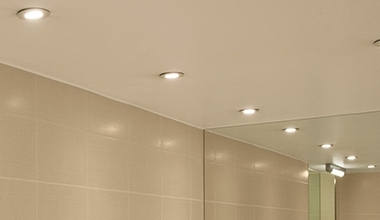
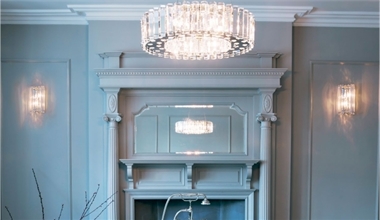
Whether you're lighting a family bathroom, ensuite, or compact cloakroom, well-chosen fittings make a noticeable difference. We offer a wide range of ceiling and wall lights that provide clear, comfortable illumination without glare or harsh shadows. Options are available for all areas, including fittings suitable for use above a shower as well as lights designed for use near a mirror or vanity unit.
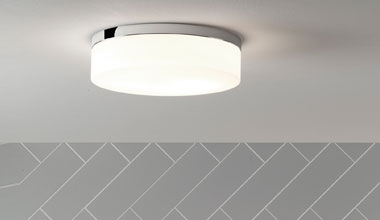
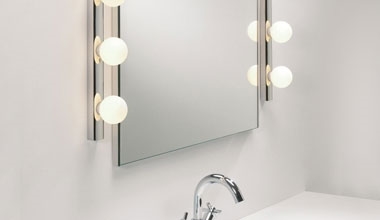
Good placement matters as much as the fitting itself. A central downlight above the basin can cast unhelpful shadows, while side lighting offers more even illumination. Opal glass helps diffuse the light, and fixtures with a matt metal finish reduce reflected glare, creating a softer, more practical effect
Why Upgrade Your Bathroom Lighting?
Better Visibility Where You Need It
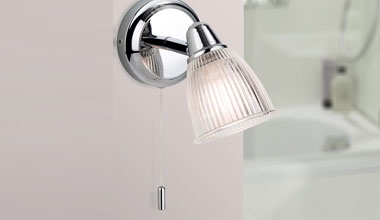
Well-placed bathroom lighting improves everyday tasks like shaving or applying makeup. A central ceiling fitting often casts shadows, especially around the face. Adding mirror lights or wall fittings to either side gives even, shadow-free illumination.
More Comfortable, Adaptable Spaces
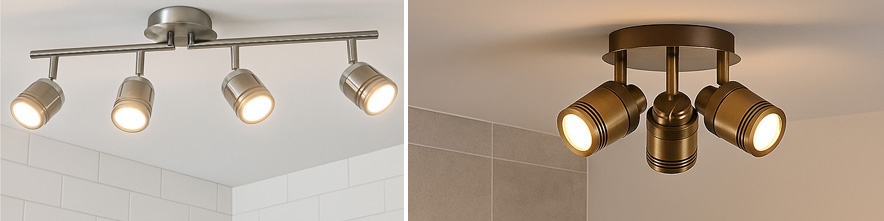
Layered lighting creates a more usable bathroom. Downlights offer general light, while wall or vanity fittings provide focused task lighting. Dimmable options and warmer tones help shift from bright mornings to relaxing evenings.
Improved Style and Layout
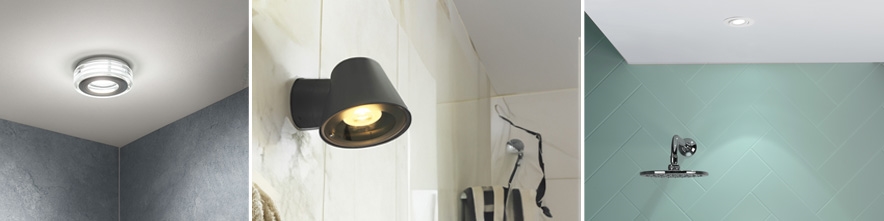
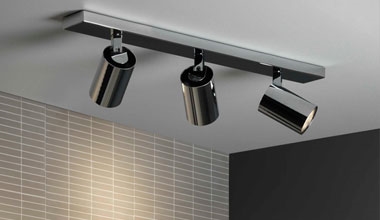
Replacing outdated ceiling fittings with discreet downlights or contemporary wall lights can transform the room’s look. Choosing finishes that match taps or hardware helps create a more cohesive design.
Safety and Compliance
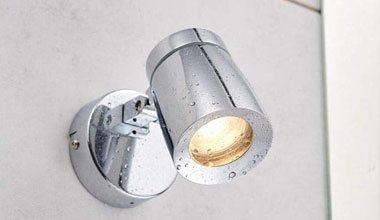
Bathrooms are wet zones, so safety matters. All our bathroom lights meet appropriate IP ratings, including options for use above showers or near basins. These fittings are designed to perform reliably in humid environments.
Filter results by colour, IP rating etc...
Bathroom Lighting Zones - Showers
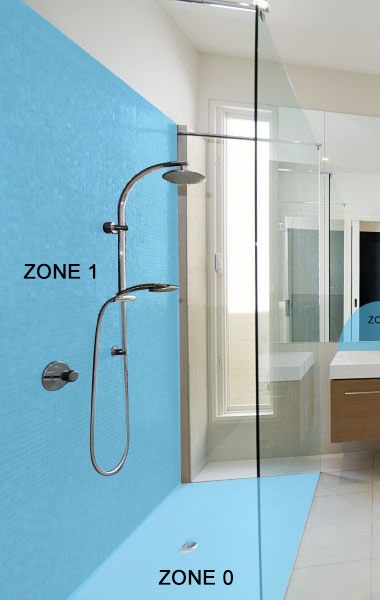
IEE Wiring Regulations – Showers
Regardless of whether a shower is enclosed or part of a wet room similar rules apply.
The walls directly next to the shower are regarded as Zone 1. This extends to a height of 2.25 metres from floor level.
In this area any light fixtures must have a minimum ingress protection of IPx5.
In wet rooms with a wall fixed shower head the wall is regarded as zone 1. The zone extend 1.2 metres to the left and right of the shower head. On the floor (and up the wall to a height of 150mm) is regarded as zone 0. In zone 0 we do not support the use of anything other than lighting specifically designed for use in a bath or jacuzzi.
Adjacent areas
Adjacent to the vertical boundary of Zone 1 is regarded as Zone 2. This also extends 2.25 metres above the finished floor level.
In zone 2, like zone 1, any light fixtures must have a minimum ingress protection of IPx4 (or IPx5 if there is a likelihood of water jets being used for cleaning). An exception to this requirement is a shaver supply unit complying with BS EN 61558-2-5 which, although it does not meet the requirements of IP4X, is permitted in zone 2, but must be positioned where direct spray from showers is unlikely.
RCD Protection
Regulation 701.411.3.3 requires that additional protection shall be provided for all circuits of the location by the use of one or more RCDs having the characteristics specified in Regulation 415.1.1. This was a significant change introduced by the 17th Edition. This means that all circuits, including lighting, electric showers, heated towel rails, etc. requires RCD protection not exceeding 30 mA.
Bathroom Lighting Zones - The Bath
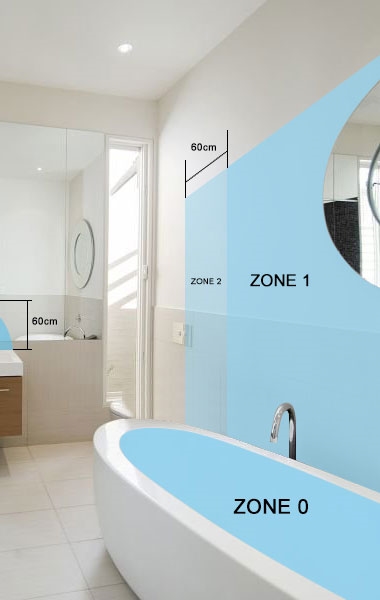
IEE Wiring Regulations - Bath tubs.
Regardless of whether a bath is free standing or against a wall similar rules apply.
The area directly next to the bath is regarded as Zone 1. This extends to a height of 2.25 metres from floor level.
In this area any light fixtures must have a minimum ingress protection of IPx5.
With freestanding baths the wall below the top of the bath is also regarded as Zone 1. In enclosed baths the area below the bath is considered outside of any zones.
Inside the bath is zone 0. Any fitting used here must be SELV (max. 12V) and a minimum of IPX7 (protected against immersion in water. We do not support the use of anything other than lighting specifically designed for use in a bath or jacuzzi in zone 0.
Adjacent areas
Adjacent to the vertical boundary of Zone 1 is regarded as Zone 2. This also extends 2.25 metres above the finished floor level.
In zone 2, like zone 1, any light fixtures must have a minimum ingress protection of IPx4 (or IPx5 if there is a likelihood of water jets being used for cleaning). An exception to this requirement is a shaver socket complying with BS EN 61558-2-5 which, although it does not meet the requirements of IPx4, is permitted in zone 2. Any socket must be positioned where direct spray from showers is unlikely.
RCD Protection
Regulation 701.411.3.3 requires that additional protection shall be provided for all circuits of the location by the use of one or more RCDs having the characteristics specified in Regulation 415.1.1. This was a significant change introduced by the 17th Edition. This means that all circuits, including lighting, electric showers, heated towel rails, etc. requires RCD protection not exceeding 30 mA.
Vanity & Illuminated Mirrors
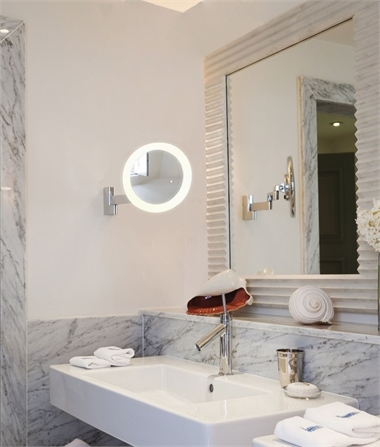
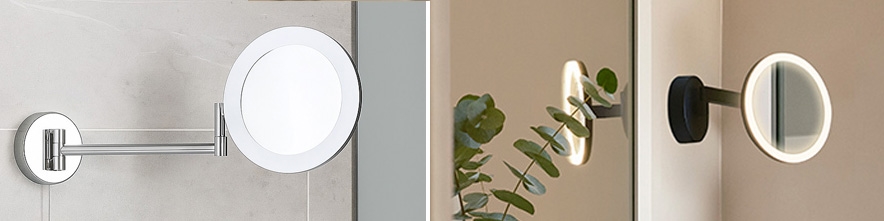
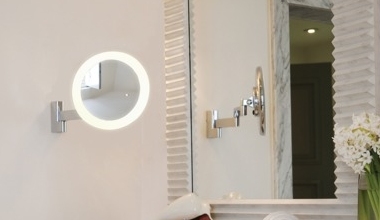
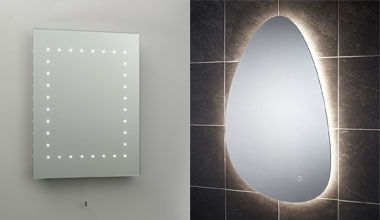
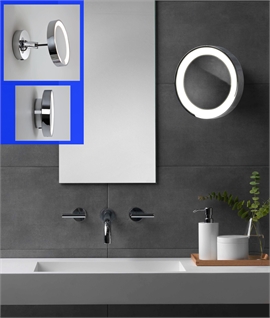
Everyone loves to look their best and this illuminated vanity mirror helps both men and the women.
Used to shave by it illuminates the face helping you see all those stray hairs and fine hairs that would otherwise go unnoticed.
Women love using this illuminated mirror too as it allows you to see your face close-up, in a good light making the application of make-up so much easier. When you step away from the mirror and look in a normal magnification mirror you can’t believe how well applied your make-up is! Also it’s great for plucking your eyebrows, bit scary at first as you can see all of them but satisfying to know you’ve got all the stray ones.
There are some women who don’t like looking at themselves close-too but heh isn’t it better to see properly when making yourself up? Nothing worse badly applied make-up and tide-marks!
However having said all that about illuminated vanity mirrors, if you’ve a teenager in the house (especially a girl) you’ll NEVER get to use it yourself!
Bathroom Lighting Zones - Sinks
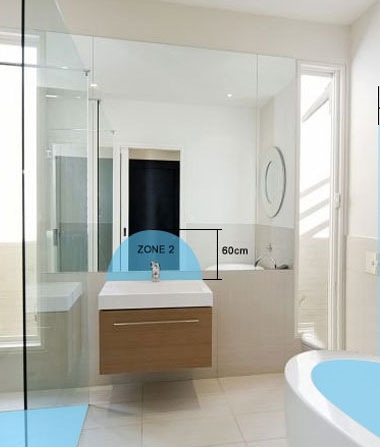
It is good practice to consider the area around a wash basin, within a 60cm radius of any tap to be considered as zone 2.
This is not regulation. However practicalities would suggest that any light fixtures used in this loaction should have a minimum ingress protection of IPx4 (or IPx5 if there is a likelihood of water jets being used for cleaning).
RCD Protection
Regulation 701.411.3.3 requires that additional protection shall be provided for all circuits of the location by the use of one or more RCDs having the characteristics specified in Regulation 415.1.1. This was a significant change introduced by the 17th Edition. This means that all circuits, including lighting, electric showers, heated towel rails, etc. requires RCD protection not exceeding 30 mA.
How to Look Good in the Morning
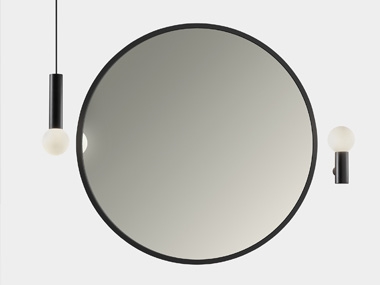
Everyone likes to see how they look in the morning and the bathroom mirror will be the first place you will catch sight of yourself. Those who tell you otherwise will be fibbing, we all secretly like to check to see if another wrinkle has crept in overnight or if our hair is sticking up like a baboons.
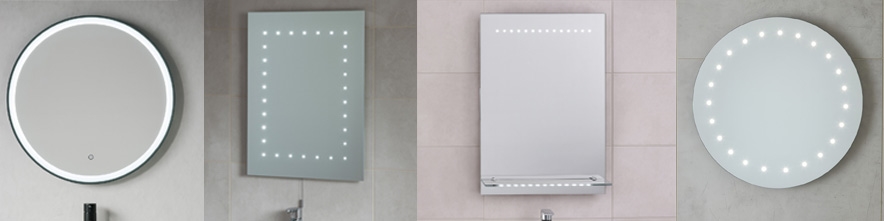
If the bathroom has an illuminated mirror or cabinet, you can see straight away all the crooks and cranies of your face and hopefully still love what you see! Either of these fixtures will provide a good source of light to what can be the smallest room and you will be able to put right all the wrong that happened during the night! And, if you have an illuminated cabinet, you can easily find face cream, a comb, hair gel and in no time you will go from baboon to beauty in a flash.
Make mornings a happy time and never believe your friends when they tell you they wake up looking great EVERY morning - now they are fibbing!
Bathroom Lighting Design. Where To Start?
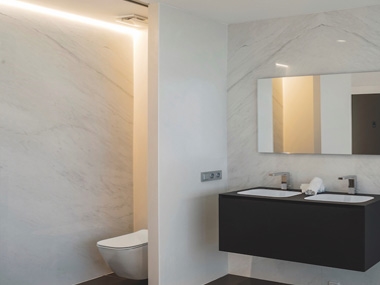
So you have spent what usually amounts to a large amount of money to ensure you have a great bathroom and now you need to add the lighting. Those bare bulbs, dusty pleated shades and cheap glass bulkhead lights should not be appearing in a modern, clean and stylish bathroom. With a little guidance you can obtain lighting that not only looks fantastic but also provides the right lighting for your space. Many of Lighting Styles customers are looking for design advice and we are happy to offer that service at no extra cost, give the sales team a call or simply read through our pages for help and advice.
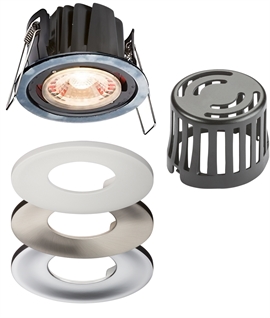
Here is our recommendation. First start with a clean sheet ignoring the wiring and its existing locations. Think about where you would like the light in your bathroom to be and leave behind any preconceptions as recessed bathroom downlights can be used in all locations including wet areas and even within the most powerful shower cubicle.
Once you have thought about lighting your bathroom lighting look through our categories, each of which contains design tips and advice, and find what you like and work out whether it would fit into your scheme. If you need more help or do not know where to start then read on...
5 Options£135.00
Anodised or Black Finish - Lengths 600mm or 900mm
£510.00
Stylish and Practical with High Magnification
5 Options£62.30
Round with 28mm Diameter
£107.50
Ideal for Above or Beside Mirrors
£26.50
IP54 Fully Sealed with Cover Glass and Silicon Gaskets
2 Options£248.00
Brass or Bronze - Use Inside or Outside
8 Options£14.40
CCT switchable white 3000/4000/5000/6500°k - 4 and 6w power select
10 Options£55.00
37mm Diameter - Warm or Neutral White
2 Options£57.60
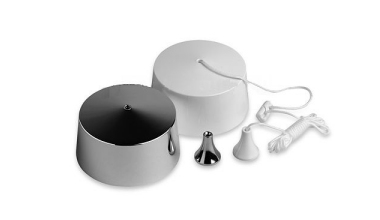
Satin Nickel or Brass with Fluted Glass Shade & Pull Cord
3 Options£89.00
Outdoor or Indoor - Black or White - Widths 260mm or 360mm
2 Options£132.00
Adjustable Lamp Heads - IP44 Rated
2 Options£17.72
Can be used with a Friendly Remote
3 Options£1,145.00
IP44 Rated - Crystal Glass - Hollywood Glam
3 Options£98.00
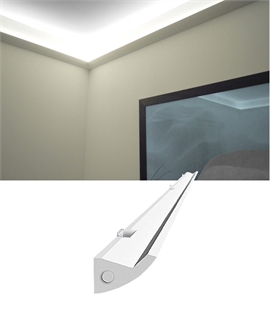
Simple Curved Profile with 50mm Projection
3 Options£44.00
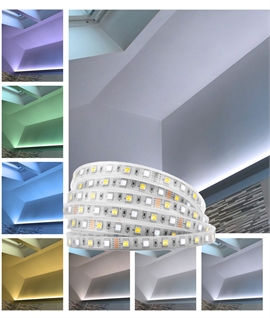
Ultimate flexibility with this tape - every colour you might desire and true white light
£76.80
IP67 Rating - Marine 316L Stainless Steel
£180.00
Shelf, Touch Sensor, Demister Pad and Shaver Socket
£40.00
IP44 Rated for Outdoor Use
£12.50
Champagne Style for Lemonade Money - For Standard GU10 or MR16 12v installations
£45.00
Last one - discontinued with no further stock available
5 Options£80.00
Showerproof IP65 Design - Grey or White Polyester Paint Finish
£185.00
Bi-Fold Arm for a Longer Extension - 23cm Mirror
5 Options£40.15
Cool White - 3000°k LEDs - Choice of Bezel Colour
2 Options£125.00
Weatherproof E27 Pendant - Clear Acrylic Globe, Chrome & Titanium Finish
2 Options£57.60
Satin Nickel or Brass with Fluted Glass Shade & Pull Cord
2 Options£264.00
Clear Glass Lantern
4 Options£27.49
CCT Switched - Select 2700k, 3000k, 4000k or 6000k on site when installing
3 Options£59.00
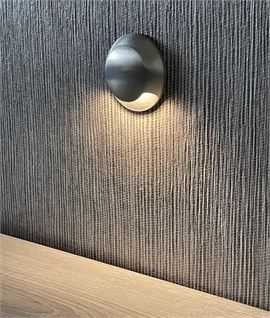
Shower-Safe, Dimmable Marker Light for Bathrooms and Wet Rooms
3 Options£108.55
Fantastic Product for Use Inside or Out - Offered in 3 Finishes
4 Options£55.00
Safe for Use in Bathrooms and Around the Home
£128.00
IP44 Rated Safe for Bathroom
£72.72
IP44 Use In Bathrooms, Kitchens Or Gardens
2 Options£65.00
IP44 - Use in Bathrooms or Outside
£60.00
IP44 Rated - Uses G9 Lamp
£23.50
Robust, Versatile & Stylish - Illuminate & Accentuate with Precision-Engineered LED Wall Lighting
£190.00
Last One - Pre-Made Bundle 6 Lights, Receiver, RF Remote Control and LED Driver
£90.00
Driver Built-In - Just Needs a Mains 230v Supply
£38.90
Black Textured Finish - Mount Vertically or Horizontally
11 Options£120.00
Outdoor-Rated Bulkhead Light - Solid Bbrass E27 Lampholder & Hand-Fastened Cage
£40.00
IP44 Rated - Designed for use with T5 Lamps
£91.66
Black Finish - 120 Degree Adjustability
£256.30
Chrome Detailing - Diameter 350mm
2 Options£307.00
Touch the Glass to Switch On and Adjust the Colour Temperature
£300.00
Hand Sensor Operation - 2700k-6000k
£160.00
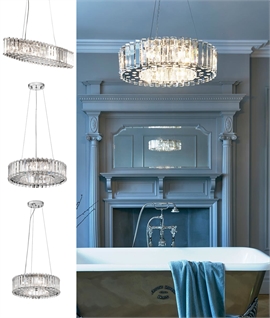
Optional Hanging Strap Provided - Great for Modern Bathrooms
£240.00
High Quality Integrated LED - IP44 Rated
Discover the Right Bathroom Lighting for Every Space
Find lighting that suits the way you use your bathroom, whether that’s getting ready in the morning, relaxing at the end of the day, or accommodating a busy family household. Our bathroom lighting range covers everything from general ceiling illumination to task lighting around mirrors and vanity units.
Planning Your Bathroom Lighting
Lighting a bathroom requires a different approach to other rooms. Surfaces are often reflective, natural light may be limited, and the space needs to serve both practical and decorative roles. A layered lighting plan helps. Downlights can provide general light, while wall or mirror fittings offer more focused illumination for daily tasks.
Avoiding Glare and Shadows
Glare from tiles and mirrors, or shadows caused by poor placement, can be frustrating. Positioning lights on either side of the mirror instead of above it provides more even coverage. Look for fittings with opal glass diffusers and matt metal finishes, as these reduce reflections and help spread the light evenly.
Do Bathroom Lights Need an IP Rating?
Not all bathroom lights need to be IP rated. Only those installed in specific areas, such as above a shower or next to a bath, fall within the bathroom’s zones that require moisture protection. We offer a wide range of IP44 and IP65 rated fittings, as well as standard lights suitable for dry areas like outside Zone 2.
What Colour Temperature LED is Best for a Bathroom?
For most modern bathrooms, 4000°K (neutral white) is the best all-round choice. It is bright and clear without feeling clinical, making it ideal for grooming and general use. It also complements white ceramics and chrome fittings found in contemporary bathrooms.
Warmer tones around 2700 to 3000°K may suit traditional bathrooms or where a softer, more relaxed atmosphere is preferred.
Why Upgrade Your Bathroom Lighting?
Better visibility. Improve everyday tasks like shaving or applying makeup with correctly placed fittings.
More comfortable spaces. Combine overhead and task lighting for flexibility throughout the day.
Improved style. Update older fittings with discreet, modern options that tie in with taps and other hardware.
Safety where needed. Use IP-rated fittings in wet areas to ensure safe and reliable performance.
Need Advice?
If you’re unsure which fittings are right for your bathroom, call us on 01780 767617. We’re happy to help with practical advice, product recommendations, and lighting layout suggestions.